


Lacticaseibacillus casei ZM15, Limosilactobacillus fermentum ZM05,
Lacticaseibacillus rhamnosus ZM18, Limosilactobacillus reuteri ZM122
Competitively uptakes purine metabolites — AMP, adenosine, GMP, and guanosine — in the gut.
Reduces intestinal absorption of both adenine- and guanine-based nucleosides and nucleotide

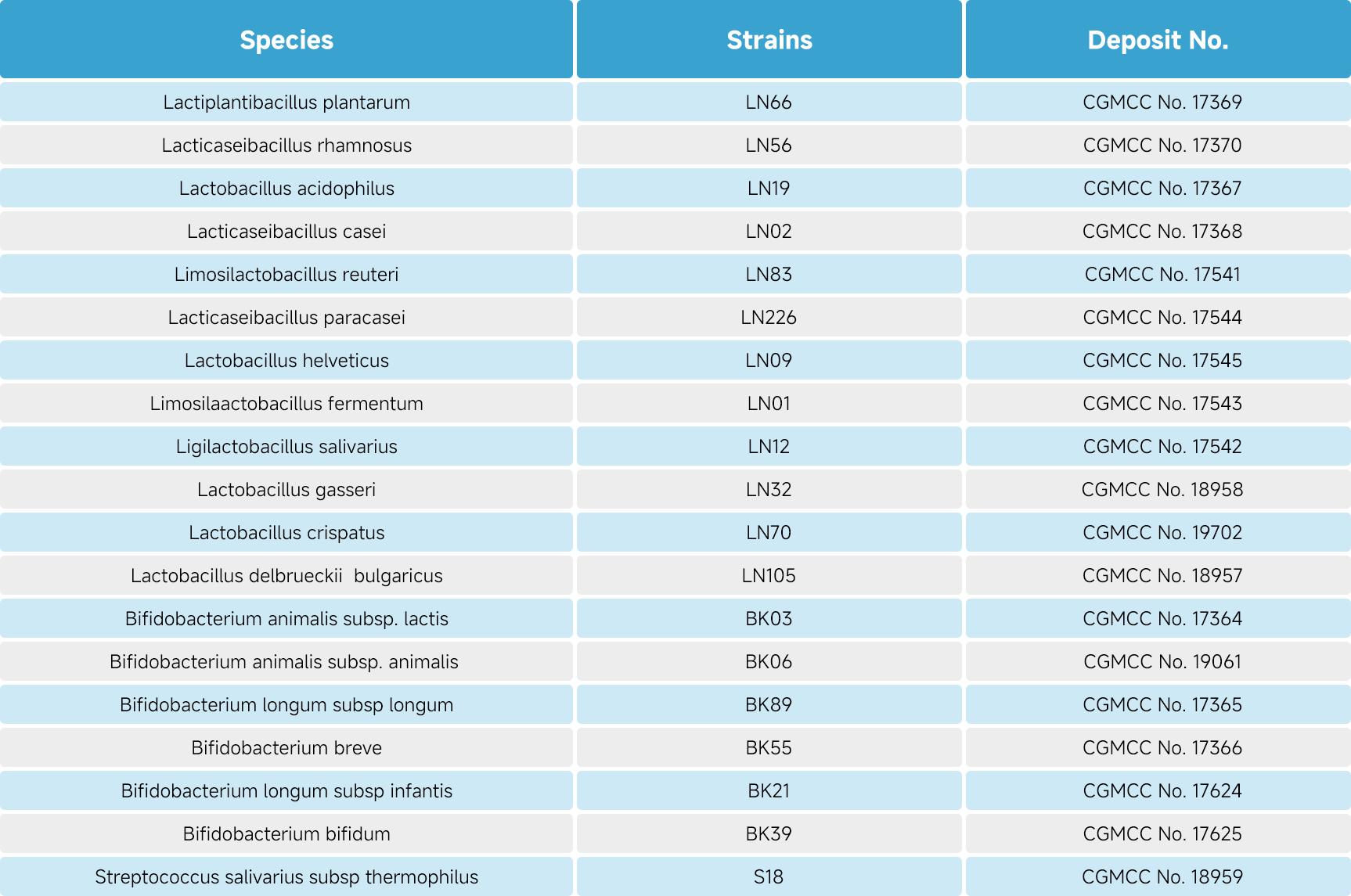
Lactiplantibacillus plantarum LN66, Lacticaseibacillus rhamnosus LN56
Limosilactobacillus reuteri LN83, Ligilactobacillus salivarius LN12
Demonstrates gastric colonization potential, supporting persistence in the stomach environment.
Downregulates the expression of key virulence genes — CagA, VacA, and Ure — which are associated with H. pylori pathogenicity.

Downregulates the expression of key genes responsible for Fusobacterium nucleatum biofilm formation.
Reduces the production of extracellular proteins and exopolysaccharides (EPS) by F. nucleatum.
Significantly inhibits biofilm formation of F. nucleatum — a primary odorigenic bacterium associated with halitosis.

Downregulates the expression of virulence genes and disrupts Salmonella cells.
Increases the membrane permeability and compromises the cell membrane integrity of Salmonella.
Inhibits the adhesion of Salmonella.

Downregulates the expression of key genes in the signal transduction system that regulates biofilm formation in Streptococcus mutans.
Downregulates the expression of genes associated with biofilm formation in S. mutans.
Reduces the expression of enzymes involved in extracellular polysaccharide (EPS) synthesis in S. mutans.
Decreases the adhesion ability of S. mutans, leading to a reduced capacity for biofilm formation.

Inhibits the growth, spore production, virulence gene expression, and toxin production of C. difficile.
Increases the cell membrane permeability of C. difficile.
Disrupts the cell membrane integrity of C. difficile.
Causes leakage of intracellular contents, leading to pathogen cell death.

Significantly increases the abundance of beneficial bacteria — Lactobacillus and Bifidobacterium.
Significantly enhances intestinal barrier function by upregulating intestinal regeneration gene expression and increasing transmembrane protein content.
Reduces plasma endotoxin levels and intestinal inflammatory cytokine levels.


Lactiplantibacillus plantarum LN66, Lacticaseibacillus rhamnosus LN56, Lactobacillus gasseri LN32, Lactobacillus crispatus LN70
Promotes restoration of the vaginal microbiome.
Inhibits the growth of Gardnerella vaginalis and Candida albicans, while enhancing Lactobacillus colonization.
Alleviates abnormal vaginal discharge, burning and itching sensations, and urinary frequency/urgency/pain.

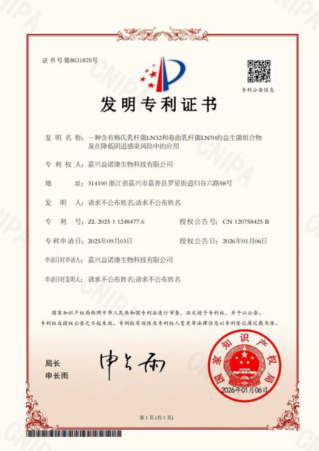
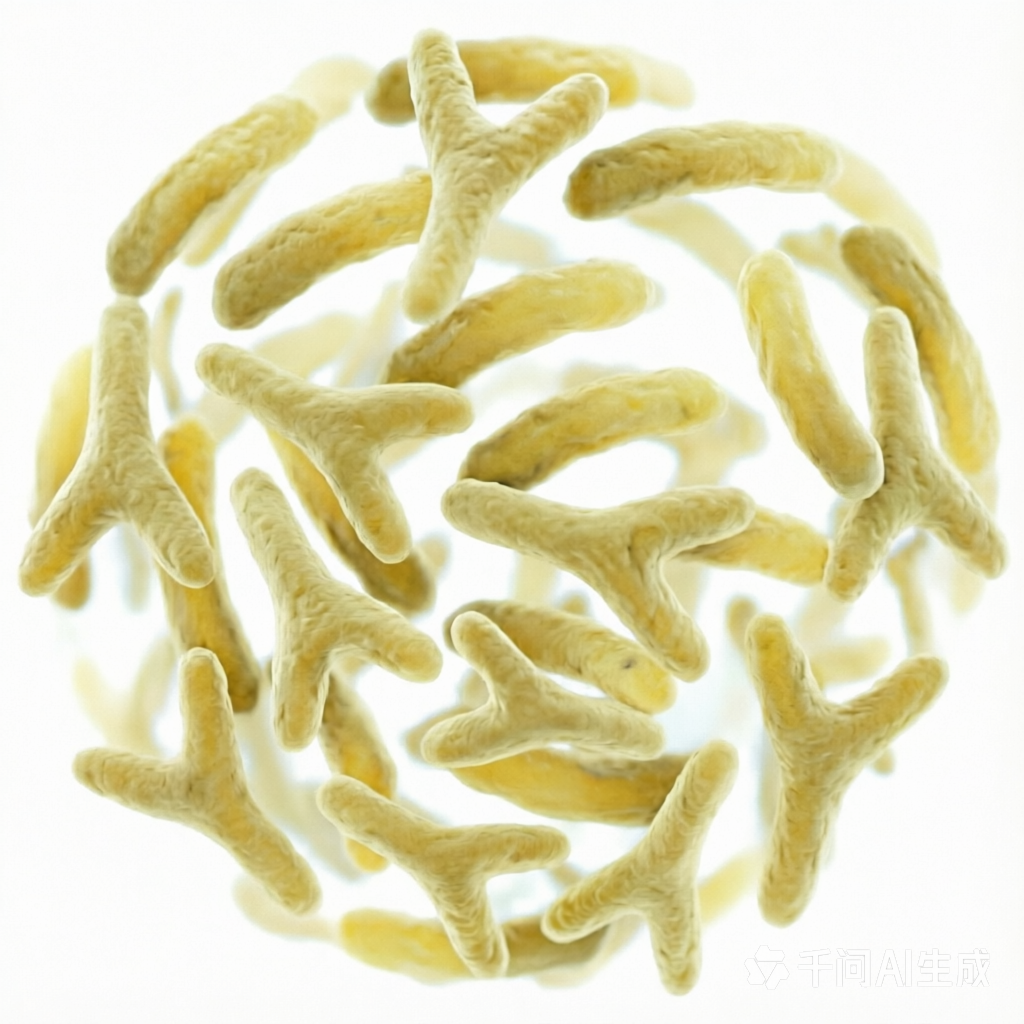
A probiotic composition comprising Lactobacillus gasseri LN32 and Lactobacillus crispatus LN70, and its use in reducing the risk of vaginal infections
Granted Invention Patent: ZL 202511248477.6
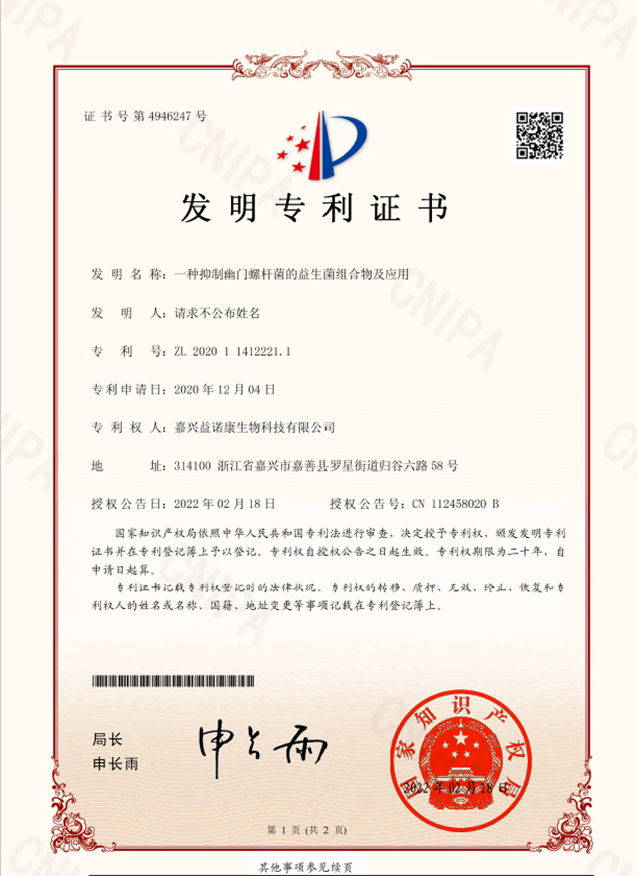
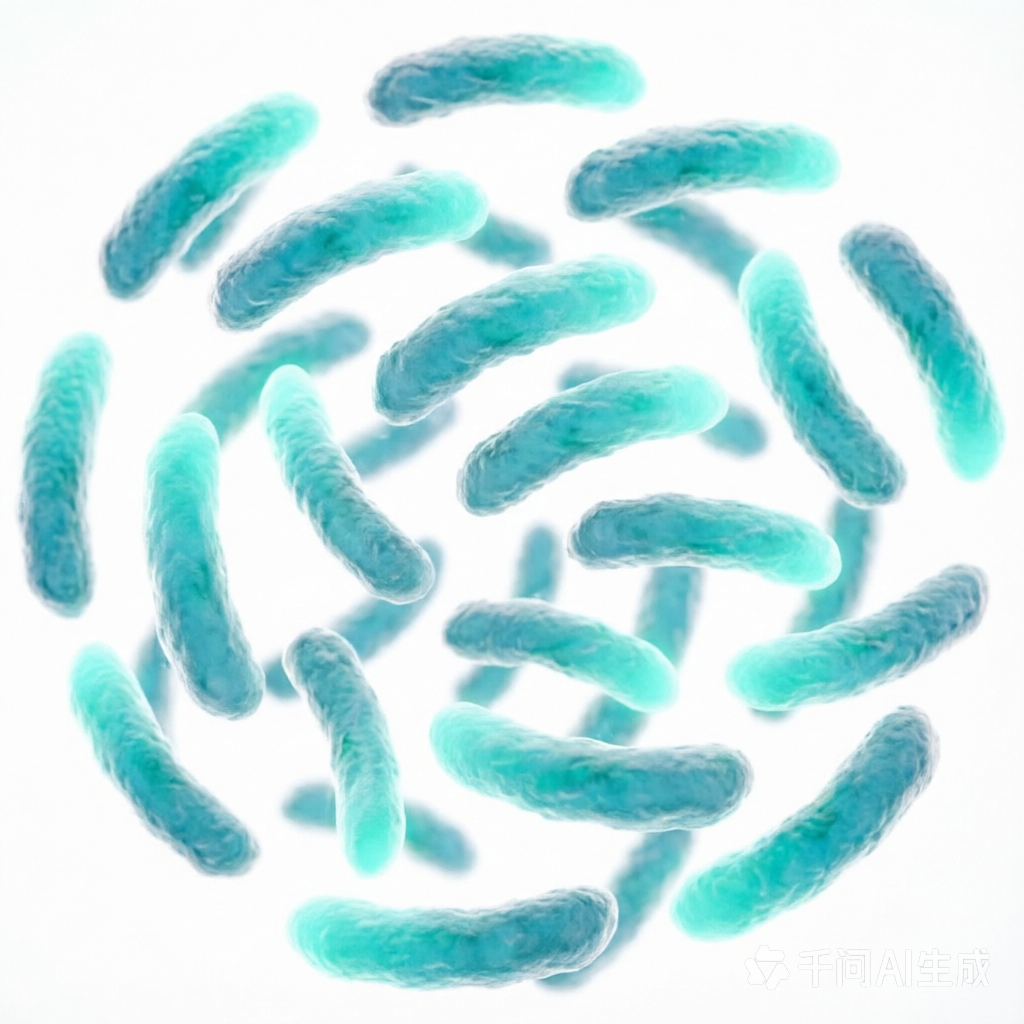
A probiotic composition for inhibiting Helicobacter pylori and its use in reducing infection risk
Granted Invention Patent: ZL 202011412221.1
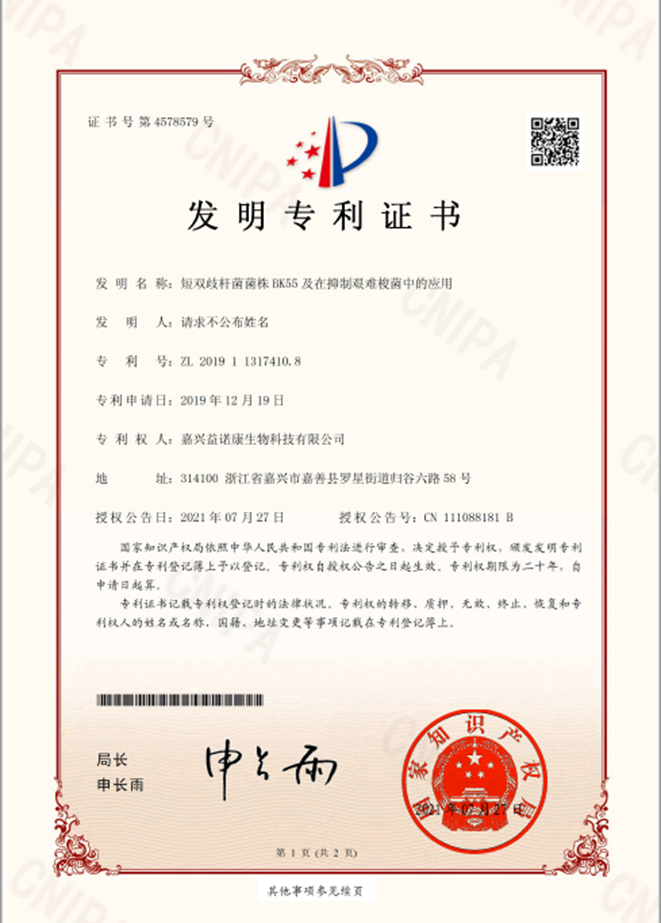

Bifidobacterium breve BK55 and its application in inhibiting Clostridioides difficile infection
Granted Invention Patent: ZL 201911317410.8
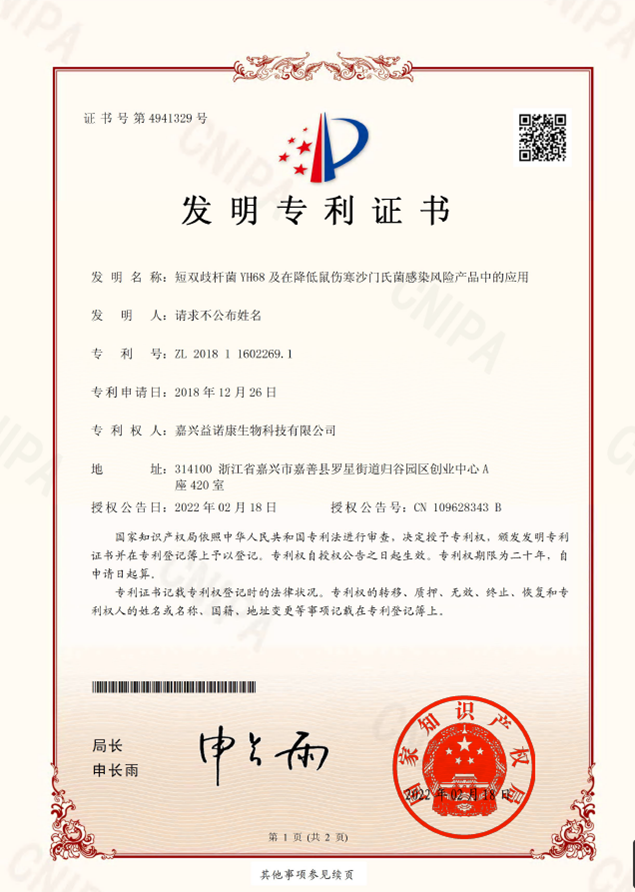

Bifidobacterium breve YH68 and its application in products for reducing the risk of Salmonella Typhimurium infection
Granted Invention Patent: ZL 201811602269.1
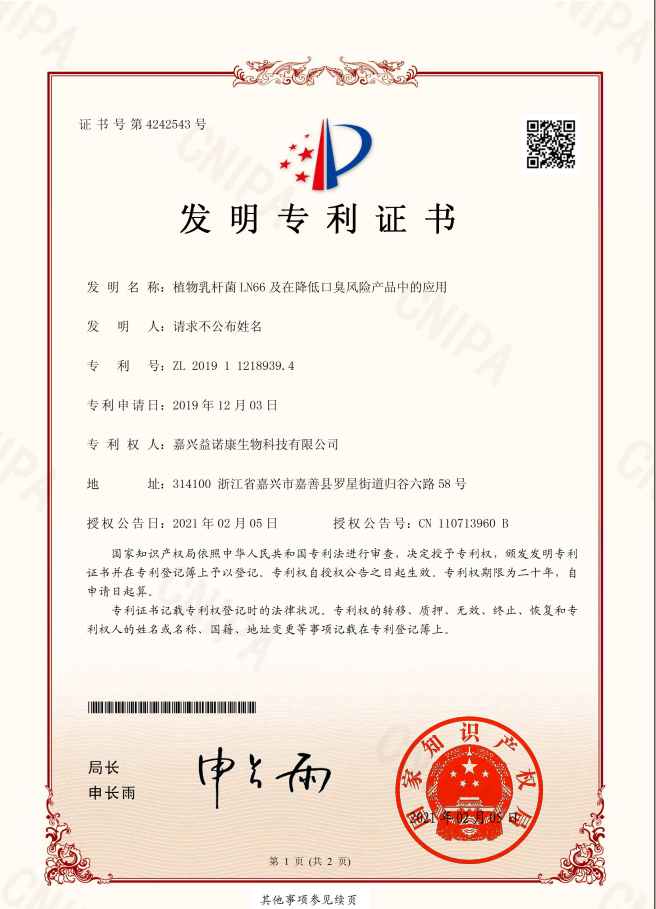

Lactiplantibacillus plantarum LN66 and its application in products for reducing the risk of oral malodor
Granted Invention Patent: ZL 201911218939.4
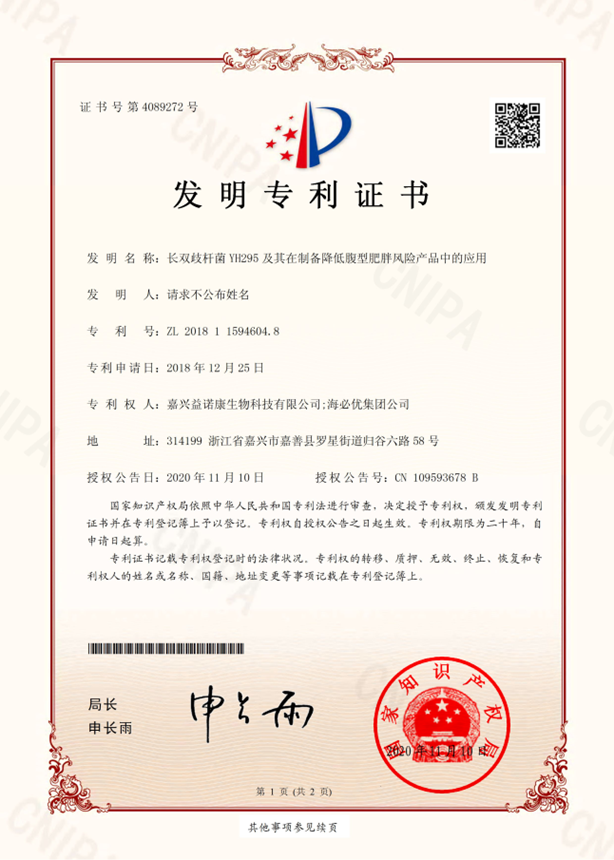

Bifidobacterium longum YH295 and its application in products for reducing the risk of abdominal obesity
Granted Invention Patent: ZL 201811594604.8
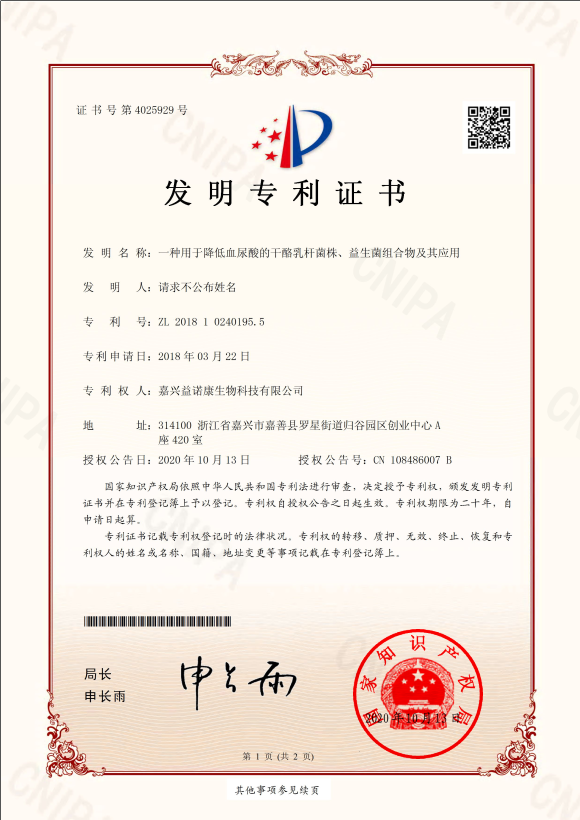

A probiotic composition comprising Lactobacillus casei strains for lowering blood uric acid, and its application
Granted Invention Patent: ZL 201810240195.5

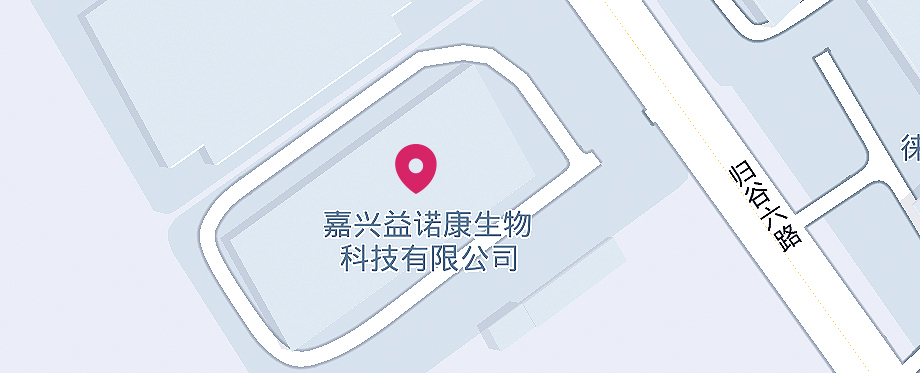
 Jiashan Guigu Innovation Town-58 Guigu Sixth Road, Jiashan, Jiaxing city, Zhejiang Province, China
 +86-573-84061606
 hangxiaomin@innocul-probiotics.com






Copyright © 2026 嘉兴益诺康生物科技有限公司 浙公网安备33042102000725号





 Tailor-made Products >

 +86-573-84061606
 hangxiaomin@innocul-probiotics.com